
Info
Sales Tips
To give your home a competitive edge when it's time to sell, make sure it is in good physical condition. This not only makes your home more attractive and desirable, it also simplifies the negotiation process when the time comes for the buyer's pre-purchase inspection.
According to home inspection experts, approximately half the resale homes in the market today have at least one significant defect. Routine maintenance is the best way to prevent major, costly problems from developing in the first place. If you have been putting off those repairs, now is the time to make them.
A Home Seller's Check List
Over the years, ASHI has identified a list of common problems that typically appear on buyer's home inspection reports. Early correction of these problems can increase a home's appeal and its selling price. It also sets the stage for a favorable home inspection report for the buyer, and thereby helps to expedite the sale.
After size, style, and location, a home buyer's primary concern is the condition of the home's basic structure and major mechanical systems. Most buyers do not want to invest a great deal of money correcting problems in such critical areas.
A pre-listing home inspection of the visible and accessible home components can reveal most of these problems, and include recommended repairs, if needed, on the following major items:
- Roof structure and covering.
- Foundation, basement, and/or crawl space.
- Central heating and air conditioning systems.
- Electrical system.
- Plumbing system.
A number of maintenance improvements are relatively easy and inexpensive to make, yet they can substantially improve a home's appearance, efficiency, and comfort. A professional home inspector may make helpful maintenance suggestions, such as:
- Trim trees and shrubs which touch or overhang the house.
- Apply new caulking and weather stripping as needed around windows and doors.
- Clean gutters of debris and leaves; repair or replace cracked or broken gutters, downspouts, and extensions to ensure proper drainage.
- Replace bathroom caulk or grouting where necessary to prevent seepage and improve appearance.
- Ventilate closed basements and crawl spaces, or install a dehumidifier, to prevent excessive moisture build-up.
- Regrade soil around the foundation, as needed to keep water away from the house.
- Replace dirty filters in the heating and air conditioning systems.
- Have the heating and air conditioning systems professionally serviced.
- Have chimneys professionally cleaned, and install chimney hoods or caps as needed.
Fixing even minor items can go a long way toward improving that important first impression of our home. Here are some typical improvements which might be suggested by the home inspector's findings:
- Repair leaky faucets.
- Tighten loose doorknobs.
- Replace damaged screens.
- Replace broken panes of glass.
- Replace burned-out light bulbs.
- Secure loose railings.
- Repair and coat driveway.
- Patch holes or cracks in walls and ceilings, then repaint.
- Repair peeling wallpaper.
Home inspectors also pay attention to items relating to protecting the home and its occupants from danger. They can alert you to important safety precautions which home buyers will appreciate, such as:
- Installing smoke detectors on each level and inside each bedroom.
- Installing Ground Fault Circuit Interrupters (GFCI's) in "wet" areas, such as kitchen counters tops, bathrooms, and exterior outlets.
- Keeping flammable products away from heaters, water heaters, and fireplaces.
- Installing Carbon Monoxide detectors on each level.
An attractive, clean, and neat home will appeal to a buyer's emotions. In addition to making repairs such as those listed above, remember to:
- Keep the lawn mowed and the house neat.
- Clean the exterior walls and trim; repaint if necessary.
- Open windows shades and curtains to create a bright, inviting atmosphere.
- Keep the kitchen and bathrooms clean, since buyers scrutinize these areas.
It's a good idea to assemble in advance various house records that can be used to answer questions from buyers and home inspectors. The Home Buyer Checklist identifies some of the important factors to consider when choosing a home. In addition to an affordable sales price, they will also want to be sure that the neighborhood and house meet the needs of their family.
Mold Information
EIFS
Radon
Polybutylene
Aluminum Wiring
Due to implications in numerous house fires, the once common practice of using aluminum wiring during the 1970's is no longer permitted in new installations in most jurisdictions. If your house has aluminum wiring you do not necessarily need to panic. Aluminum wiring can be just as safe as copper wire as long as it has been installed correctly. The concern with aluminum wiring is that it is very unforgiving if it has been installed incorrectly.
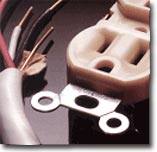
Aluminum wiring expands when it warms up, and contracts then it cools down. Aluminum reacts differently than copper wire after several warm/cooling cycles. After each cycle aluminum tends to lose more of its tightness. This process is often referred to as "cold creep". Combined with aluminum's tendency to oxidize when in contact with certain metals, these factors can lead to dangerous problems. When aluminum oxidizes it heats up more to conduct the same amount of electricity, which then causes more oxidation. Due to this cycle, eventually the wires may start to get very hot, melt the fixture that it attached to, and even possibly cause a fire.
If you are considering purchasing a home with aluminum wiring, or have discovered it later, it would be a good idea to hire a licensed electrician or inspector to check over the wiring for any potential problems.